Lessons from the Milkweed Patch
What years of monarch observation and stewardship have taught us about wonder and paying attention.

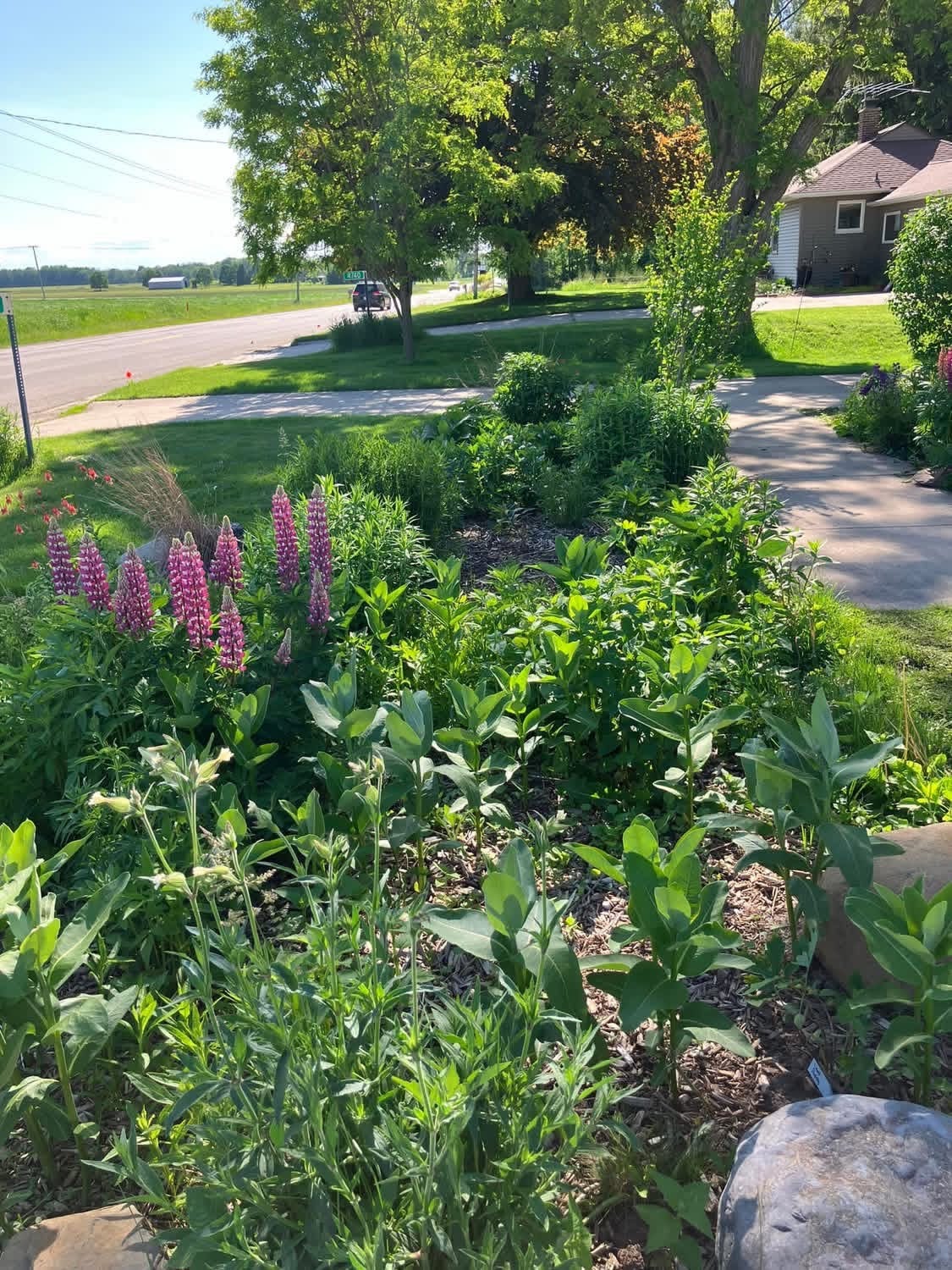
Every year, my family and I find ourselves peering at milkweed leaves.
Not once or twice, but every single day.
We stop to look for tiny cream-colored eggs no bigger than a pinhead. We search for newly hatched caterpillars the size of a grain of rice. We check familiar leaves and familiar plants as if we’re visiting old friends.
And somehow, it never gets old.
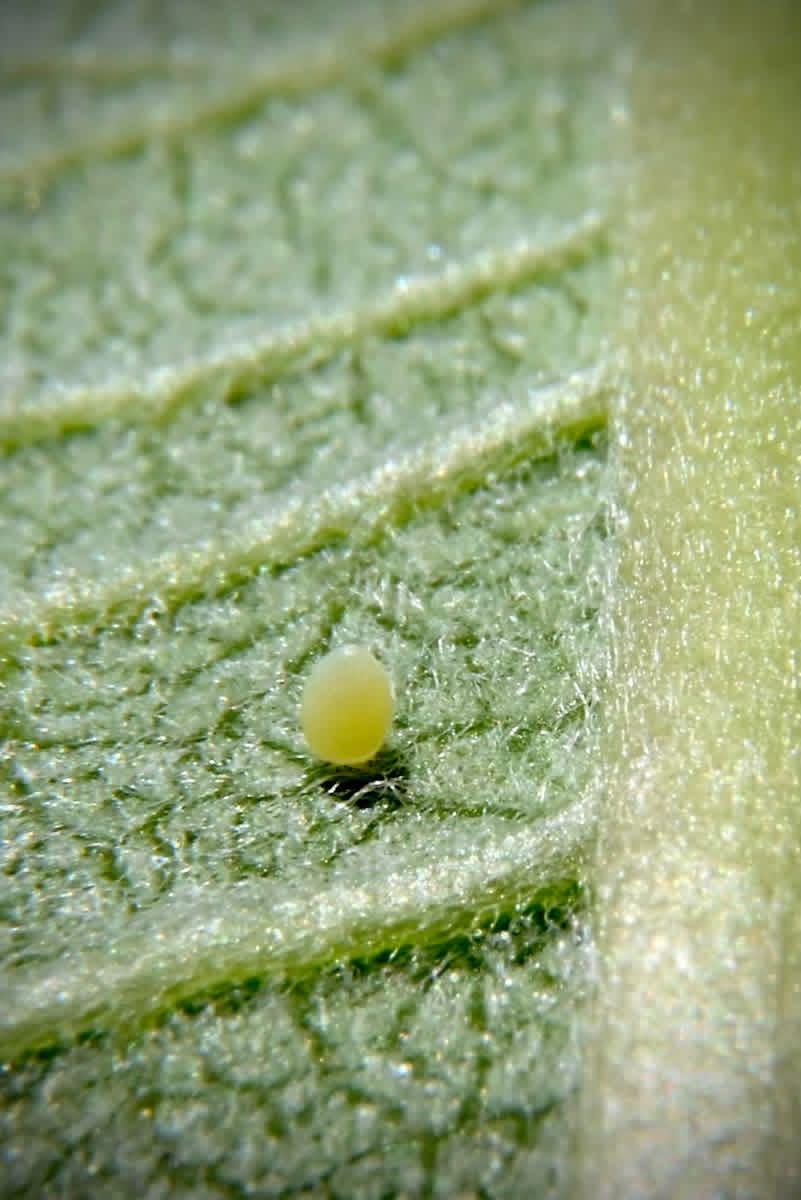
I’ve watched monarch caterpillars grow countless times. I’ve explained their life cycle to children more times than I can count. I know what’s coming next. I know they’ll eat, molt, form a chrysalis, and emerge as butterflies. Yet every year, I find myself just as fascinated as the last.
What began as a search for monarch eggs and caterpillars years ago has turned into a search for everything else too.
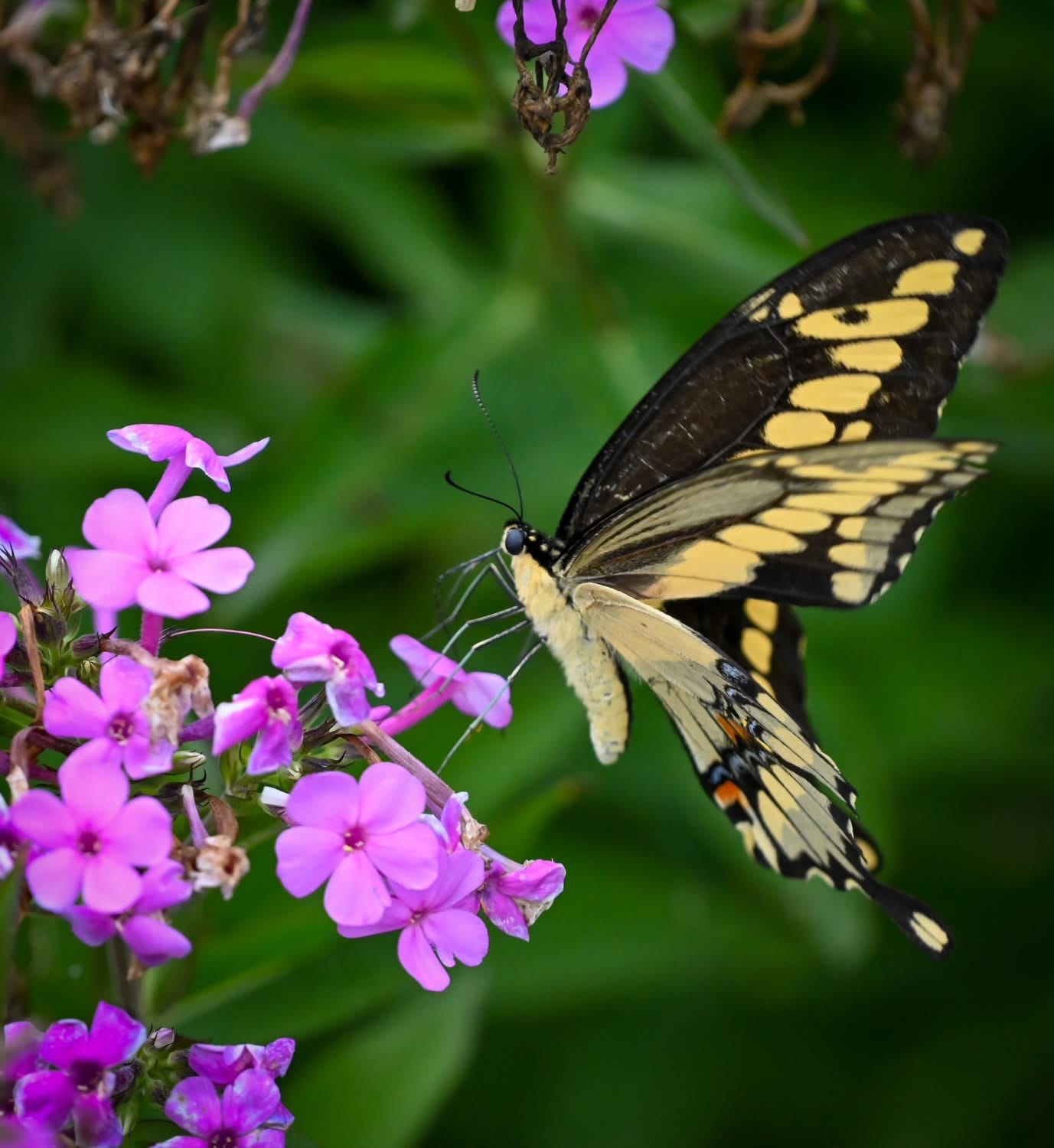
Most people learn that butterflies have four life stages: egg, caterpillar, chrysalis, and butterfly. That’s true. But when you start paying closer attention, you realize the caterpillar stage is a whole world unto itself.
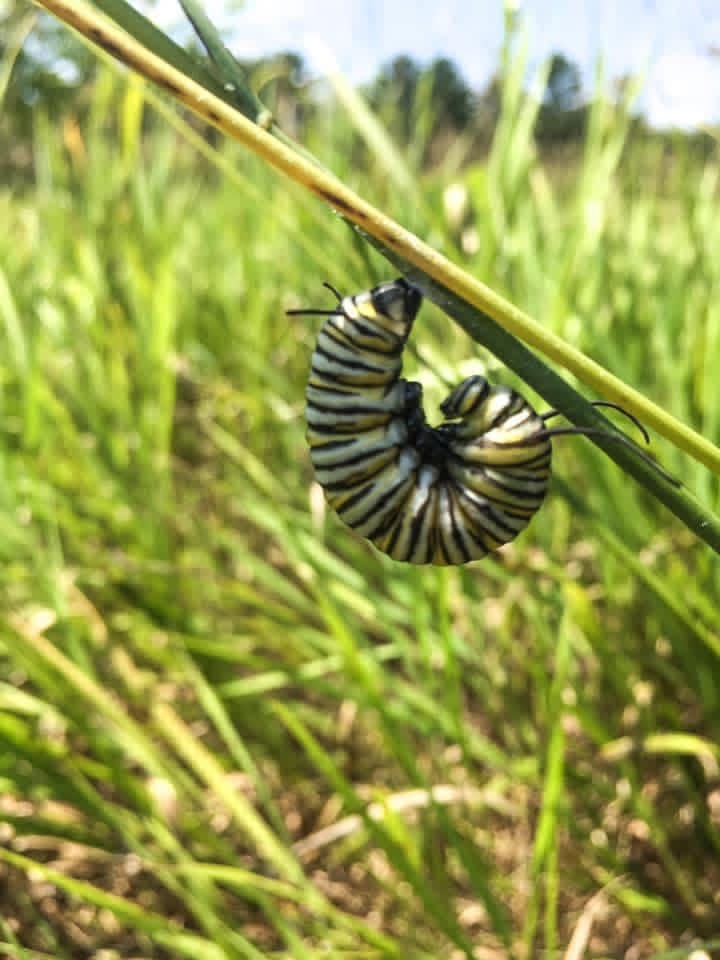
Monarch caterpillars don’t simply hatch and grow. They pass through five distinct growth phases called instars. An instar is the period between molts, when a caterpillar sheds its skin to make room for the incredible growth taking place underneath.
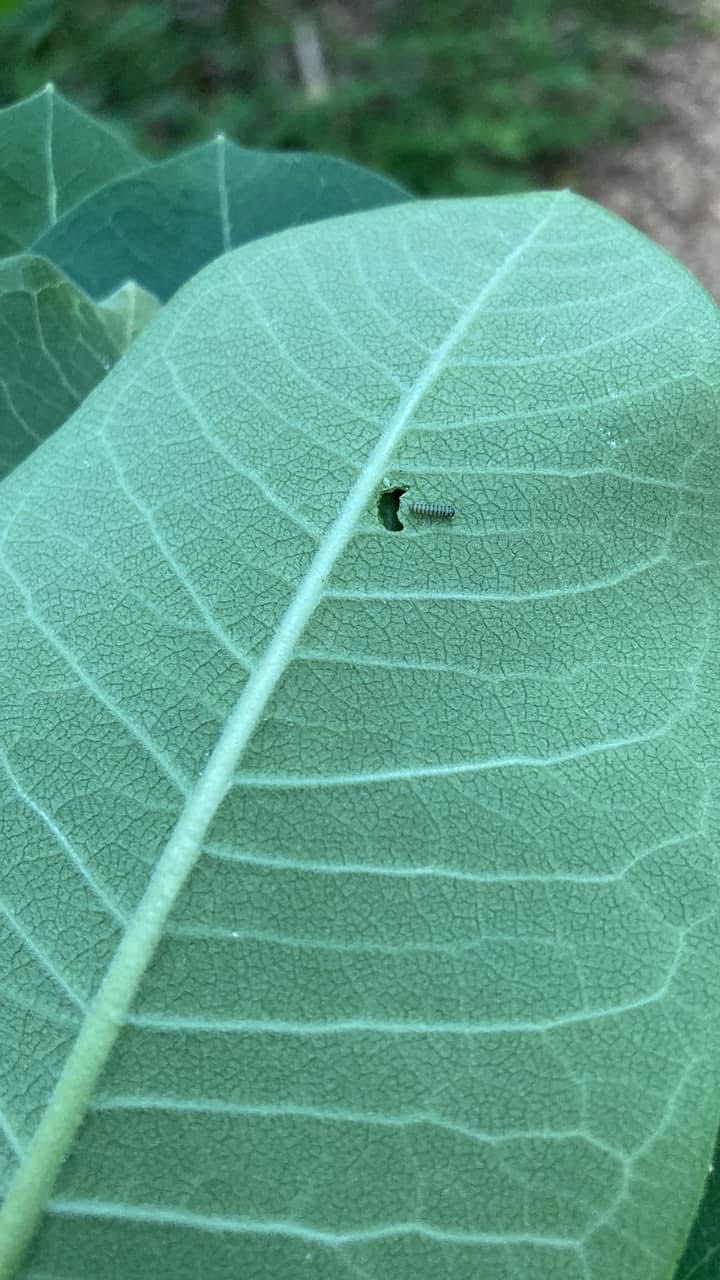
The tiny caterpillar that emerges from its egg doesn’t look quite the same a few days later. With each molt, it becomes larger. The familiar black, white, and yellow stripes become more pronounced. The soft black filaments near its head and tail grow longer. Its appetite becomes almost comical.
Then, almost overnight, the caterpillar you’ve been watching all week is suddenly enormous.
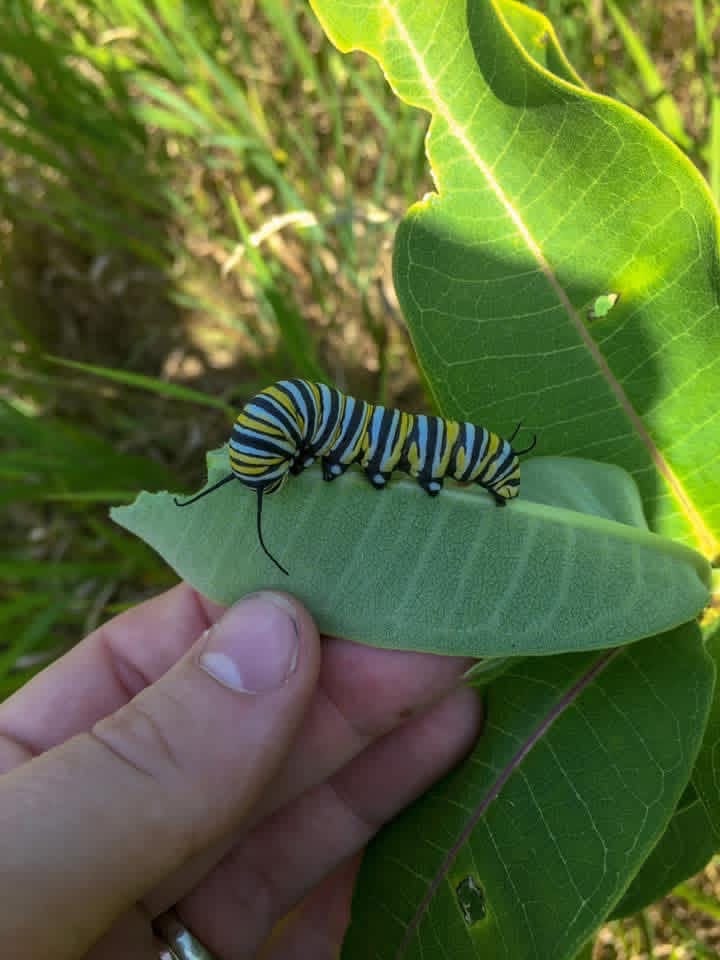
The thing that amazes me most is that these changes don’t happen according to a calendar. A caterpillar doesn’t become a second or third instar because a certain number of days have passed. It happens because it has grown enough to shed its old skin and move into the next stage.
Growth comes first. The transformation follows.
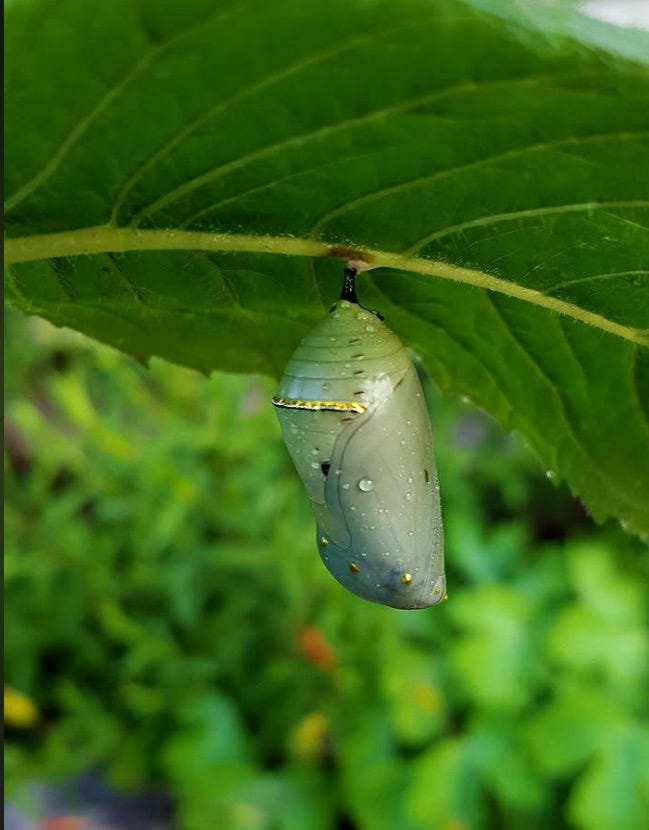
But the monarchs are only part of the story.
The longer we spend in milkweed patches, the more we realize they are entire ecosystems.
We find milkweed weevils with their long curved snouts. Bright orange aphids clustered on stems. Tiny spiders waiting patiently among the leaves. Bees, beetles, ants, wasps, flies, and insects we still have to look up when we get home.
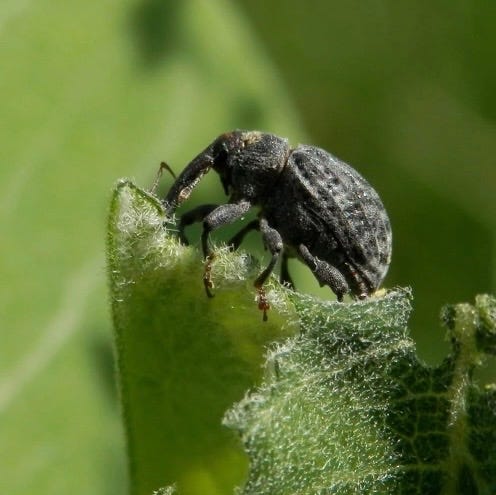
Some days we find monarch eggs. Some days we don’t. But we always find something.
Along the way we’ve learned about predators, parasites, and the reality that not every caterpillar survives.
One of the most well-known monarch diseases is Ophryocystis elektroscirrha (OE), a microscopic parasite that can weaken butterflies, interfere with their development, and reduce their chances of survival. The more monarchs are concentrated in one area or enclosure, the greater the opportunity for disease to spread.
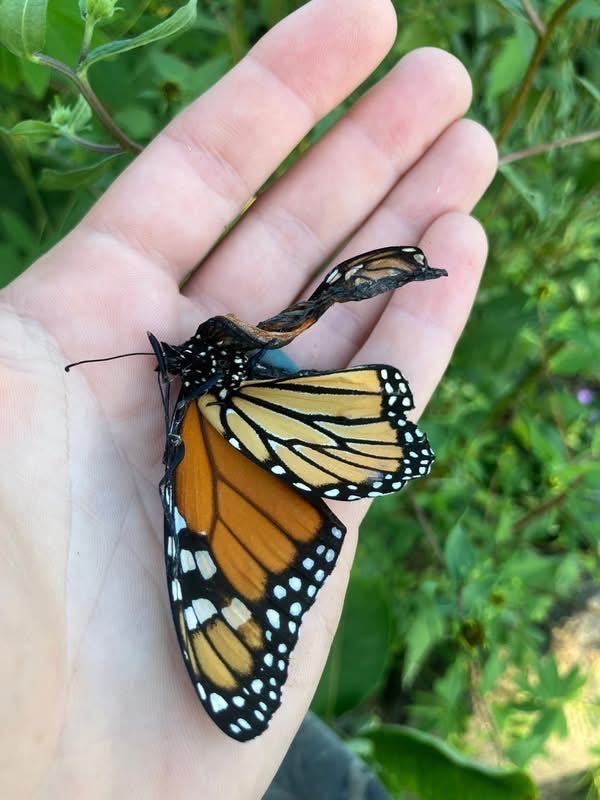
It’s not always easy to watch. Nature isn’t a carefully curated butterfly garden where every caterpillar survives. It’s a complex ecosystem full of competition, predators, parasites, and relationships that have existed long before we arrived.
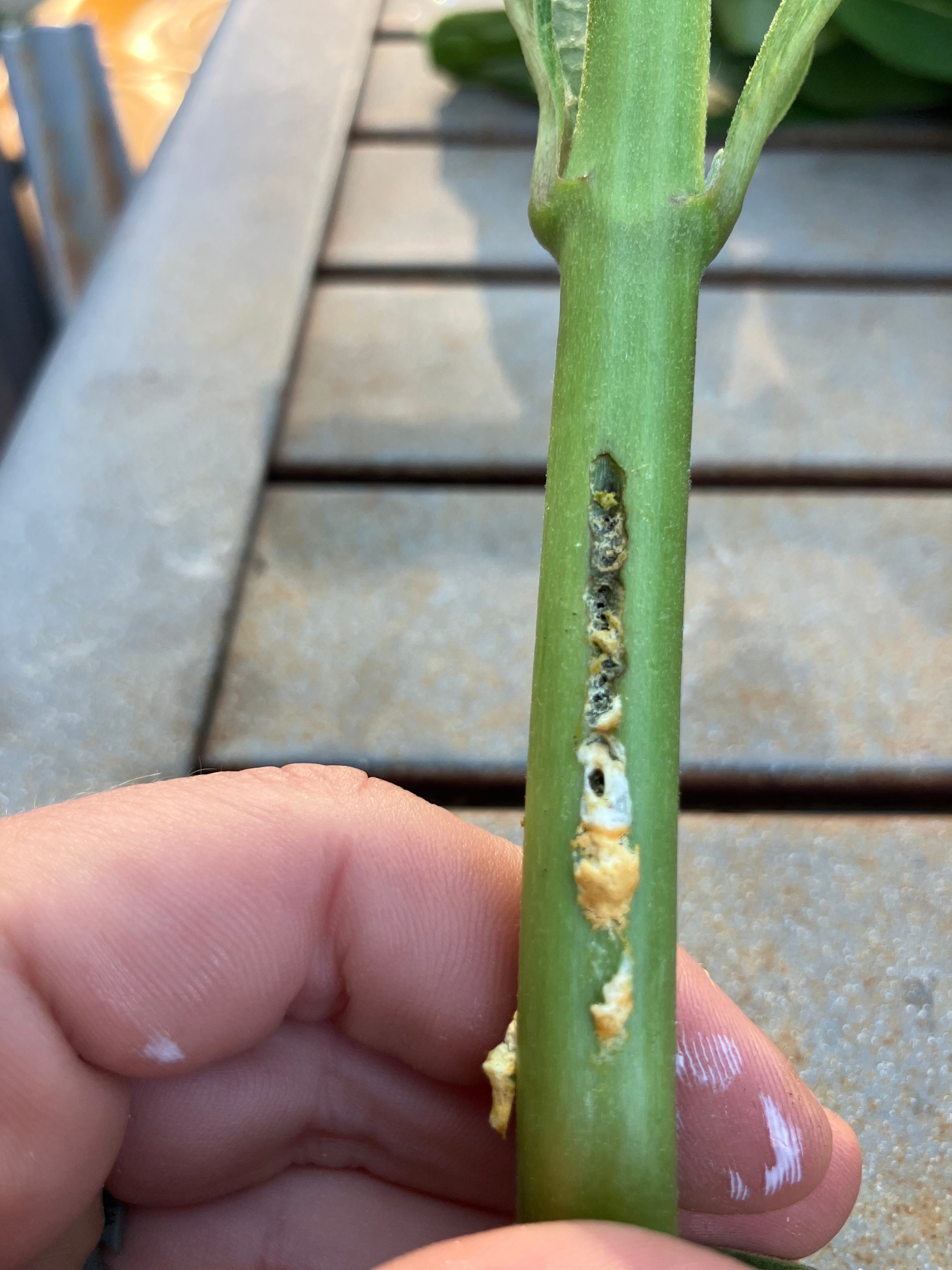
Another challenge monarchs face is widespread spraying. Herbicides remove the milkweed monarchs depend on to reproduce. Insecticides can kill caterpillars directly or contaminate the plants and flowers they rely on throughout their life cycle.
Over the years, we’ve raised many monarchs. We’ve collected eggs and caterpillars throughout the season, watched them grow through their instars, form chrysalides, and emerge as butterflies. Those experiences have given us a front-row seat to one of nature’s most remarkable transformations.
They’ve also taught us that raising monarchs comes with responsibility. Overcrowding can increase the spread of disease. Poor sanitation can do more harm than good. And while raising monarchs can be an incredible educational experience, it isn’t a substitute for healthy habitat.
The more we learn, the more we realize that helping monarchs isn’t really about bringing every caterpillar indoors. It’s about protecting the ecosystems that support them in the first place.
Plant native flowers.
Leave some wild spaces.
Reduce chemical use.
Pay attention.
One of the things I love most about homeschooling is that these lessons don’t come from a textbook.
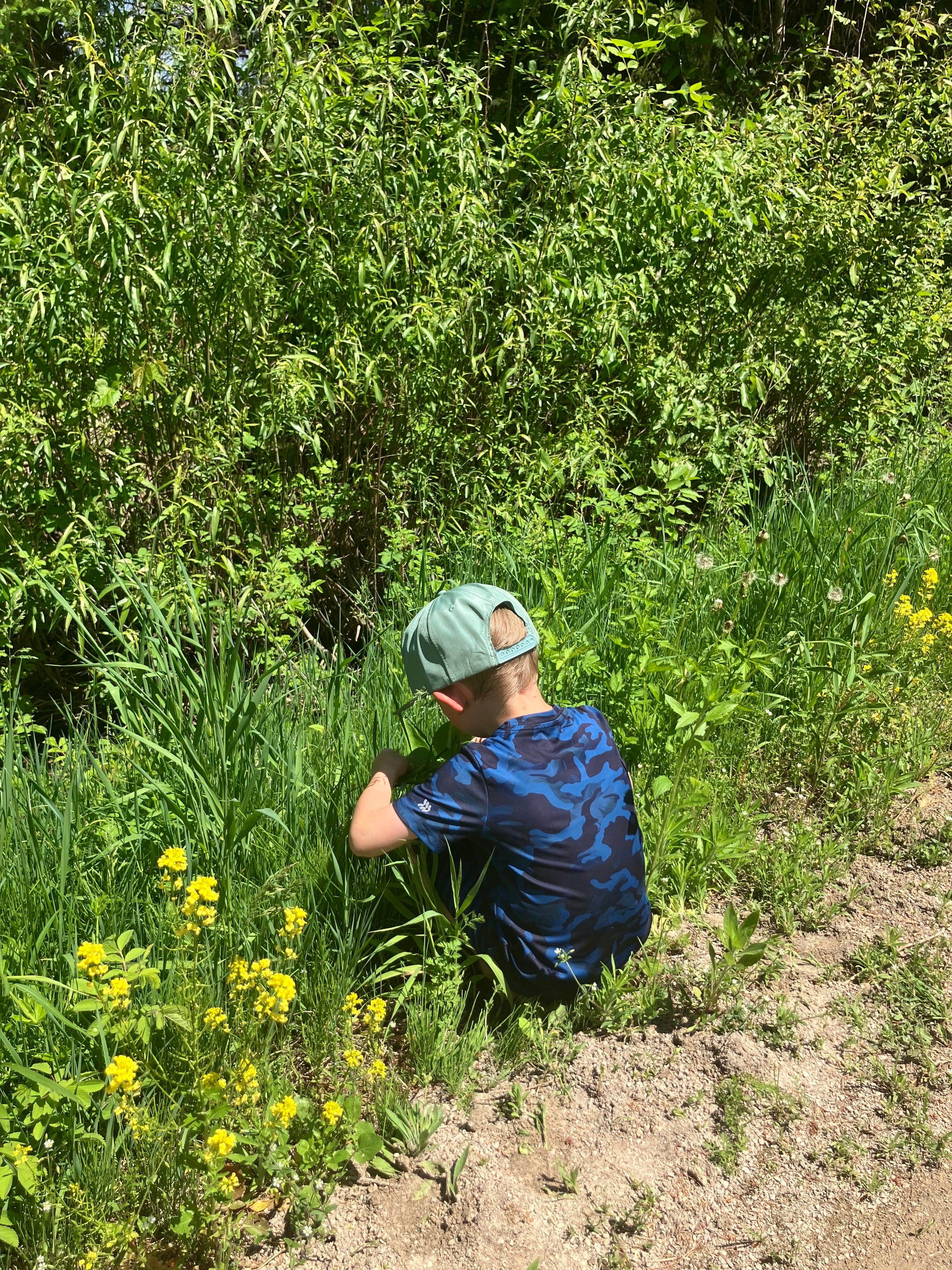
They come from kneeling beside a milkweed plant with my kids.
They come from asking questions.
They come from noticing.
They come from returning to the same patch of plants over and over again until what once looked ordinary reveals itself to be extraordinary.
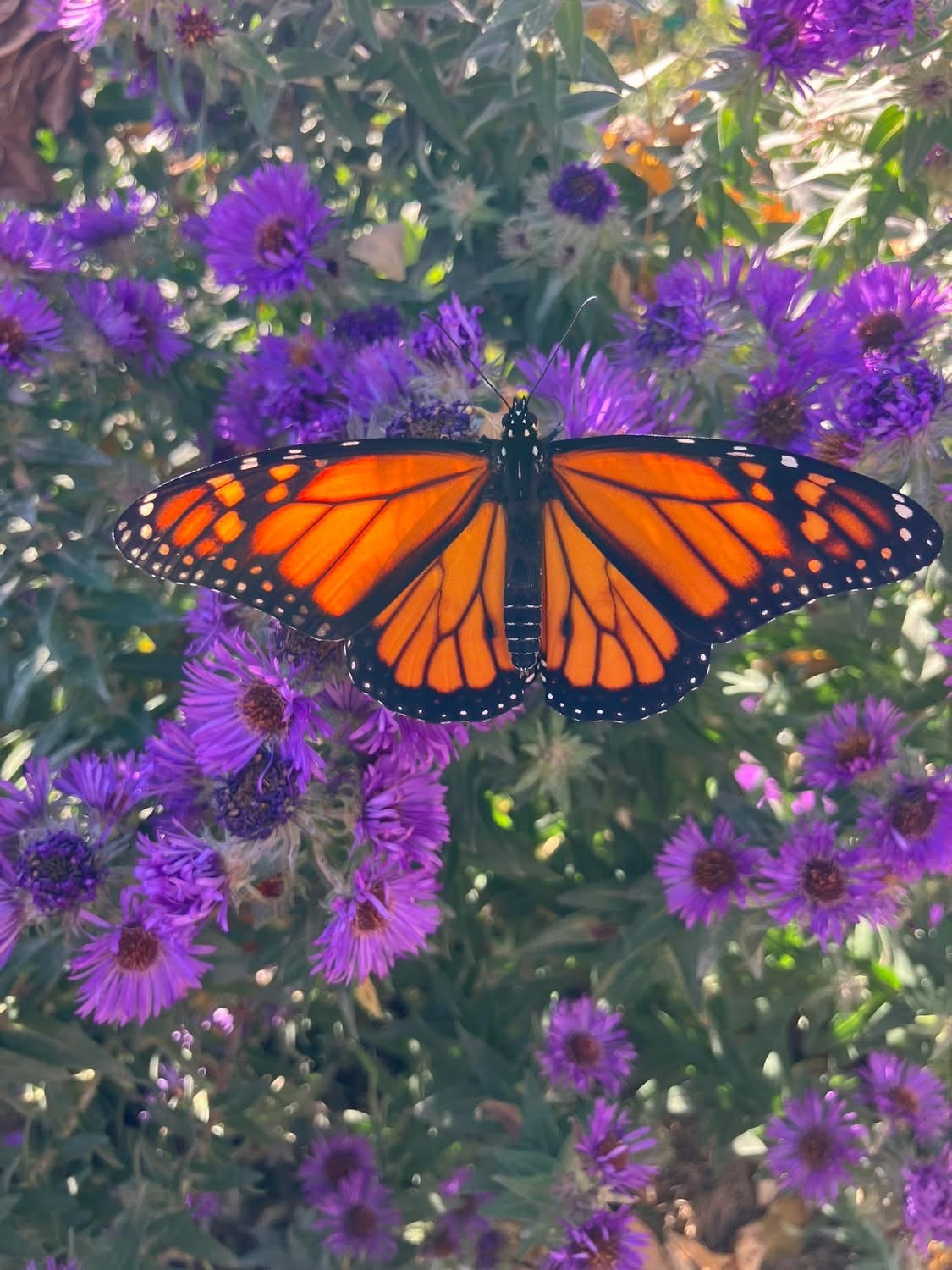
Maybe that’s part of why the caterpillars never get old.
Nature is full of reminders that growth isn’t always obvious when we’re in the middle of it. Most days, the changes are small enough to miss. Then one day you look closer and realize something has changed.
The caterpillar is bigger.
The child is older.
The garden is fuller.
You are stronger.
And maybe that’s why we keep checking the milkweed.
Not because we don’t know what happens next, but because witnessing transformation never loses its magic.
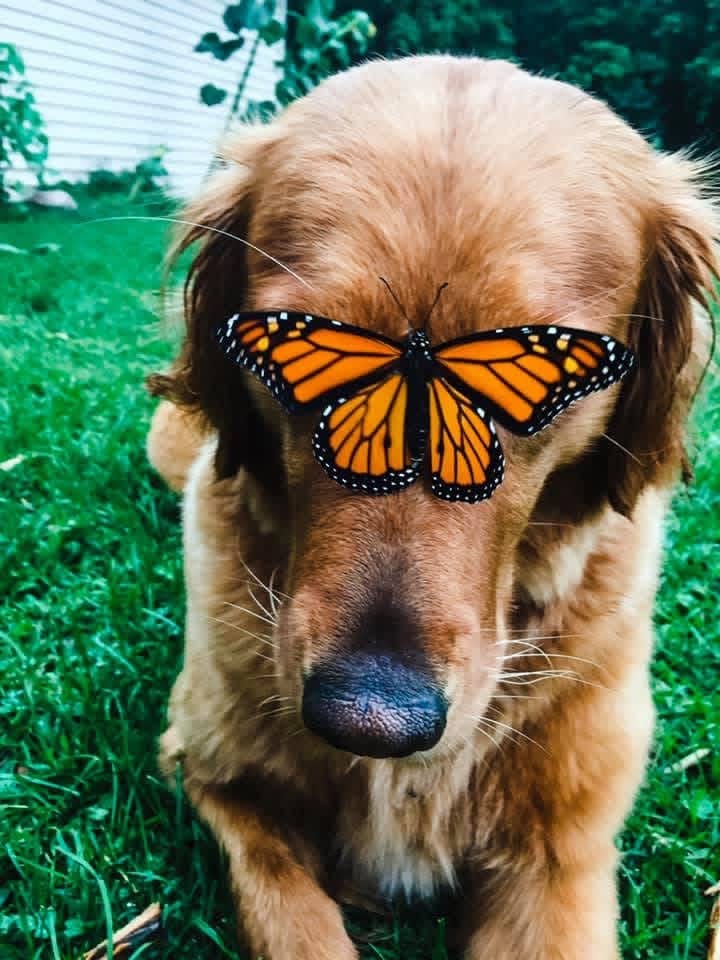
Every summer, we stand in the same patches of milkweed, searching for the same eggs and the same striped caterpillars.
Every summer, we’re amazed all over again.
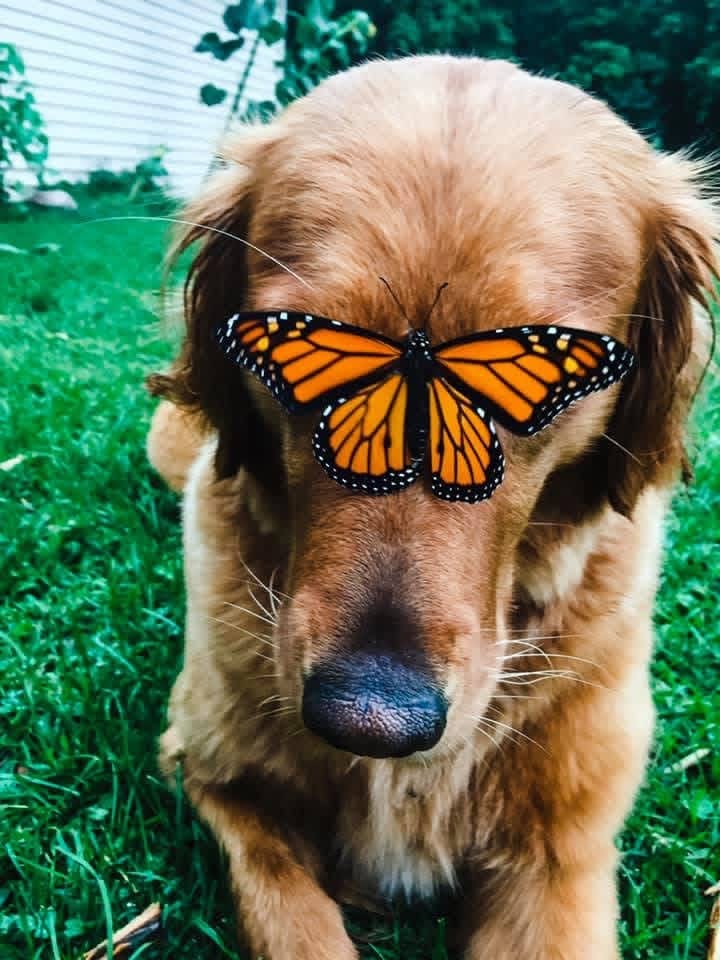
And I hope we always are.